Commercial Waste Uxbridge: Recycling and Sustainability
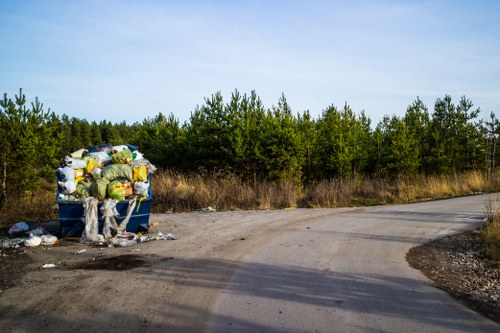 Commercial Waste Uxbridge supports a practical, measurable approach to creating an eco-friendly waste disposal area across business parks, shops and office estates. This overview outlines how local collection, segregation and reuse combine to reduce landfill, lower emissions and create a true sustainable rubbish area for the borough. Our focus is on operational clarity: clear waste streams, smart vehicle routing, and collaborative reuse to keep materials moving in a circular economy.
To drive continuous improvement, we have a formal recycling percentage target: 65% diversion of commercial waste from landfill within five years. That target applies to the broad category of Uxbridge commercial waste and is broken down into measured KPIs for dry recycling, food waste and specialist streams such as WEEE and construction & demolition arisings. The target is intentionally ambitious to match local and national sustainability ambitions and to accelerate the transition to low-carbon operations.
 The network of local transfer stations and consolidation points is central to making an efficient eco-friendly waste disposal area. Our route planning connects Uxbridge businesses to nearby transfer stations in Hillingdon and consolidated facilities in west London, reducing vehicle miles and idling time. The borough's approach to waste separation encourages separate containers for paper & card, mixed containers, food waste caddies and textiles — a framework we adopt when managing commercial waste Uxbridge collections so material quality stays high and recycling yields improve.
Partnerships, Reuse and Low-Carbon Logistics
Partnerships with local charities and social enterprises are a cornerstone of sustainable rubbish area strategy. Rather than treating surplus goods as refuse, Uxbridge commercial waste services coordinate with charities that accept furniture, IT equipment, clothing and household textiles for reuse. Working with donation partners preserves value, reduces disposal costs and supports local community groups. We highlight charitable redistribution as both a social outcome and a practical recycling pathway for bulky commercial items.
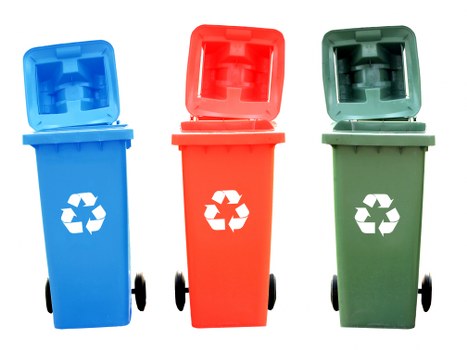 Low-carbon vans form the backbone of our low-emission collection fleet. Where feasible, small electric vans and hybrid collection vehicles operate on inner-Uxbridge routes and last-mile pickups to create a true low-carbon collection network. Fuel-efficient scheduling and consolidation at transfer stations reduce the total vehicle kilometers per tonne of material collected — a key metric when assessing the carbon footprint of commercial waste in Uxbridge.
We work closely with landlords and property managers to establish designated sustainable rubbish area layouts with segregated bays for glass, cans, paper, hygiene waste and hazardous streams. A practical list of accepted commercial recycling activities in the area includes:
- Source-separated cardboard and paper for pulping and remanufacture
- Mixed containers and glass collected in separate banks to protect quality
- Food waste collected in caddies and sent to anaerobic digestion
- WEEE and batteries recovered through accredited transfer stations
- Textiles and furniture diverted to charity partners for reuse
Measuring Impact and Scaling the Sustainable Rubbish Area
Monitoring and reporting are essential to meet the recycling percentage target and to demonstrate progress across the Uxbridge commercial landscape. Monthly tonnage reports, contamination rate checks and route-level carbon estimates allow businesses to see the impact of improved segregation and the benefits of an integrated waste strategy. Uxbridge commercial waste initiatives use these data to refine collection frequencies and to prioritise outreach where contamination undermines recycling quality.
 Achieving the 65% recycling target depends on clear operational commitments: consistent bin labelling, staff training for source separation, and regular audits of transfer station flows. Local transfer stations play a vital role, providing the scale and sorting facilities to convert separated streams into market-ready recyclates. Where housekeeping and loading space allow, compactors and balers at depot sites increase haul efficiency and further contribute to a lower-carbon supply chain for recovered materials.
 In summary, a practical, scalable model for Commercial Waste Uxbridge hinges on three pillars: operational efficiency (including low-carbon vans and smart routing), collaborative reuse (partnerships with charities and consolidation hubs), and material quality (borough-style source separation and transfer station processing). Businesses that adopt these measures benefit from reduced disposal costs, improved sustainability credentials and a measurable decline in carbon emissions. Together, these actions create resilient, long-term value for the local economy and the environment while shaping a genuinely sustainable rubbish area for Uxbridge.
