UB8 estate rubbish removal pickups what residents must know
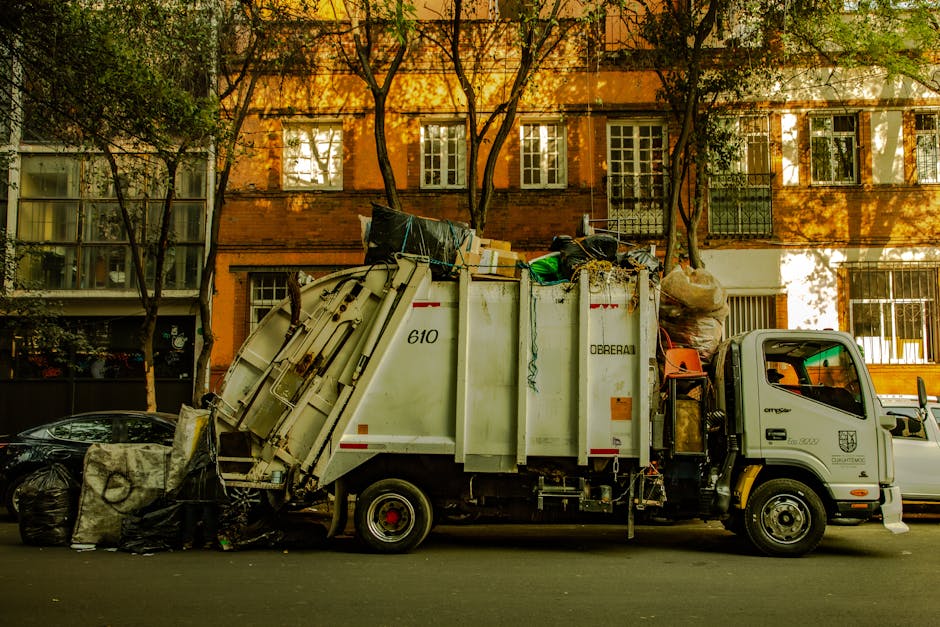
If you live on an estate in UB8, rubbish removal can feel simple right up until the day you actually need it. Then the questions start: Where can the waste go? Will the crew be able to get close enough? What if you've got a broken wardrobe, a sagging mattress, or a pile of builder's rubble from a weekend project? This guide on UB8 estate rubbish removal pickups what residents must know breaks it all down in plain English, so you can avoid delays, awkward misunderstandings, and that all-too-familiar "where on earth do I put this?" moment.
Whether you're clearing a flat, dealing with bulky items, or arranging a one-off pickup after a spring tidy, the key is knowing how estate access, waste type, and collection rules affect the job. A little preparation goes a long way. Honestly, it usually saves more time than people expect.
Why UB8 estate rubbish removal pickups what residents must know Matters
Estate collections are not the same as a quick kerbside drop-off. On a residential estate, the layout itself changes everything: shared driveways, tight turning circles, parked cars, bin stores, stairwells, lifts, coded gates, and neighbours who quite reasonably do not want a sofa blocking the path on a Tuesday morning. That is why knowing the basics of estate rubbish pickup matters before you book anything.
In UB8, residents often have a mix of housing types, from flats and maisonettes to family homes with shared access roads. One collection might be straightforward. The next might need a careful plan because the lift is too small for a fridge or the waste has to be moved a longer distance by hand. Small details, big difference.
There is also the question of what is being removed. General household rubbish, old furniture, white goods, garden waste, and renovation debris all behave differently. A responsible collection service will usually ask about the type, volume, and location of the waste so they can bring the right vehicle and team. That's not fussiness; it's basic efficiency.
Expert summary: The best estate rubbish collections are the ones that are planned around access, waste type, and resident convenience. The more accurate your description, the smoother the pickup tends to be.
There is another reason this matters: shared living spaces can become messy very quickly if rubbish is left in the wrong place. A single missed bag or bulky item can obstruct entrances, create a smell, attract pests, or cause complaints. Nobody wants that, especially not when you're trying to keep the place looking decent for everyone.
How UB8 estate rubbish removal pickups what residents must know Works
Most estate rubbish removals follow a similar pattern, though the exact process depends on the provider and the waste involved. The usual flow is simple enough, but the details matter.
- You describe what needs removing. This includes item type, approximate quantity, and where it's located.
- The collection is assessed. Good operators will consider access, loading time, lifting needs, and disposal route.
- A collection window is agreed. That may be same-day, next-day, or scheduled for a specific slot, depending on availability.
- The team arrives and loads the waste. Residents should usually make sure items are accessible and separated if requested.
- The waste is taken for sorting, recycling, or disposal. Reusable or recyclable items are typically separated where possible.
If you're dealing with a flat or upper-floor property, the practical side becomes more important than the paperwork. Can the team use the lift? Is there a safe route down the stairs? Do the building rules allow collection vehicles to wait outside? These things sound minor until the van is there and someone is trying to squeeze a mattress through a corridor that feels, frankly, designed by someone with a grudge.
For larger clearances, you may need to combine an estate pickup with a broader service such as flat clearance, home clearance, or even house clearance. That is especially useful if the waste is mixed with furniture, loft clutter, or items from storage spaces.
It is also worth separating purely household waste from specialist items. For example, if you have a fridge, freezer, or dishwasher to remove, a dedicated fridge and appliance removal service is often more suitable than a general pickup. The same logic applies to sofas and mattresses. Different items, different handling.
Key Benefits and Practical Advantages
For residents, the main benefit is convenience. You avoid loading, hiring a van, or making multiple trips to a disposal site. But that is only part of the story. Estate pickups can solve a few very specific problems that people often underestimate.
- Less disruption: Items are removed in one go rather than sitting in hallways or shared areas for days.
- Better access planning: Teams can work around stairs, gates, or awkward parking much more efficiently than a DIY approach.
- Improved safety: Heavy lifting, sharp edges, and awkward objects are handled by people used to the job.
- Cleaner shared spaces: Waste is cleared before it becomes a nuisance or a complaint point.
- More responsible disposal: Proper sorting supports recycling and reduces the chance of fly-tipping or poor handling.
There is a quiet practical benefit too: peace of mind. If you've ever had a bulky item leaning against the wall in a hallway for three days, you know exactly what I mean. It nags at you every time you walk past it. Once it's gone, the space feels normal again. Almost strangely normal.
Residents also save time because one organised pickup often replaces a long chain of chores: sorting, moving, lifting, queuing, and disposal admin. For busy households, that matters. For older residents or anyone with mobility issues, it matters even more.
If your removal needs are part of a larger clear-out, you may also find related services useful, such as furniture disposal, mattress and sofa disposal, or garage clearance. Each one can reduce the risk of mismatched waste being handled the wrong way.
Who This Is For and When It Makes Sense
Estate rubbish removal is a good fit for a broad mix of residents. If you live in UB8 and any of the following sound familiar, a pickup may be the sensible option.
- You are moving out and need a fast clear-out.
- You have bulky items that will not fit in the communal bins.
- You are replacing furniture or appliances.
- You have waste from a small home improvement project.
- You need to clear storage areas, such as lofts, garages, or cupboards.
- You want to avoid making repeated journeys with a car full of rubbish. Let's face it, nobody enjoys that.
It also makes sense for families dealing with inherited items, residents in managed blocks with limited bin capacity, or landlords between tenancies. In those cases, a planned pickup can be quicker and tidier than waiting for council collection schedules or trying to improvise. If the property is empty, a broader service like loft clearance or furniture clearance may be the better route.
Sometimes the decision is simply about scale. A couple of bin bags? That might not need a special collection. A broken wardrobe, two chairs, a bed base, and an old rug? Now we're talking about something that deserves proper planning.
Step-by-Step Guidance
Here's the clearest way to approach an estate rubbish pickup without overcomplicating it.
- List everything you want removed. Be specific: "one sofa, one mattress, four bags, and a broken shelf" is better than "a bit of junk."
- Check access in advance. Note stairs, lifts, loading bays, gate codes, and parking restrictions.
- Separate restricted items. Hazardous materials, chemicals, paint, gas cylinders, or anything unusual should be flagged early. If in doubt, ask about hazardous waste disposal.
- Move waste to an accessible point if you can do so safely. A hallway, front garden, or shared pickup point may save time.
- Confirm the booking details. Double-check date, access instructions, and any photo or item list requested.
- Keep the route clear on the day. A few minutes of tidying can save a lot of back-and-forth.
- Ask how the waste will be handled. Reuse, recycling, and responsible disposal should be part of the service, not an afterthought.
A small note from experience: if you have fragile neighbours, shift workers, or family with young children in the building, timing matters more than you think. Early morning pickups can be fine, but only if everyone knows they're happening. Good communication prevents silly friction.
And yes, if the item is too awkward to move on your own, do not attempt a heroic lift. That's how backs get annoyed for a week.
Expert Tips for Better Results
Here are the little things that usually separate a smooth pickup from a messy one.
- Photograph larger items before booking. This helps with accurate planning and avoids surprises.
- Group similar waste together. Furniture with furniture, bagged waste with bagged waste. It speeds loading and sorting.
- Identify anything reusable. Some items may be better suited to a donation route or reuse, depending on condition.
- Keep important documents separate. If you're clearing home office waste, use confidential shredding for sensitive papers.
- Be honest about volume. Underestimating the amount of waste often causes delays or extra handling.
- Ask about recycling practice. A well-run provider should be able to explain how they separate recyclable material. You do not need a lecture, just a straight answer.
Another useful habit: keep a small note on your phone with access details. Gate code, parking restrictions, entry phone instructions, the usual stuff. Half the stress in estate collections comes from forgetting one tiny detail at the last minute.
If the clearance involves appliances or large household items, it can help to read a dedicated page like what can go in a skip to get a sense of what kinds of waste are generally accepted and what needs separate handling. It won't answer everything, but it's a useful starting point.
Common Mistakes to Avoid
Most collection problems are avoidable. That's the annoying part, really. They are usually caused by one of a few predictable mistakes.
- Leaving waste in the wrong place. Shared entrances, fire exits, and communal corridors are not storage areas.
- Forgetting access restrictions. Low bridges, narrow lanes, permit parking, and timed entry gates can all affect a pickup.
- Mixing everything together. Hazardous waste, electricals, and general rubbish should not all be bundled in one heap unless the provider says it is fine.
- Booking too late. If you need the space cleared for moving day, don't leave it until the last minute.
- Assuming every item is handled the same way. A broken chair is not a fridge, and a mattress is not builder's rubble. Obvious, but still worth saying.
One of the easiest mistakes to make is underestimating how much space bulky items really take. A single wardrobe can fill half a van once it's out of the flat and laid flat for loading. That catches people out all the time.
It is also worth remembering that not everything belongs in a general pickup. For renovation waste, a service such as builders waste clearance is often more appropriate. For office moves, office clearance may be the better fit.
Tools, Resources and Recommendations
You do not need fancy equipment to prepare for an estate pickup, but a few simple tools make life easier.
- Measuring tape: Useful for checking whether bulky items can fit through doorways or lifts.
- Phone camera: Helpful for taking item photos before you book.
- Marker labels: Good for identifying what is going and what is staying.
- Dust sheets or gloves: Handy if items are dusty, broken, or stored in a loft or garage.
- Notepad or checklist: Keeps the collection plan simple and organised.
For residents who want to understand service standards before booking, a few pages on the provider's site can be useful. The most relevant ones usually cover pricing and quotes, recycling and sustainability, and insurance and safety. Those pages give you a better picture of how the company operates, which is never a bad thing.
If you're comparing options, also look for clear booking terms and customer support. A good service should be easy to talk to, easy to arrange, and clear about what happens if access changes on the day. That sort of clarity saves everyone a headache.
Law, Compliance, Standards, or Best Practice
When waste is removed from a residential estate, the important thing is not just convenience but responsible handling. In the UK, waste should be transferred to an authorised carrier and processed through appropriate routes. Residents do not need to memorise legislation, but they should expect the collection provider to act properly and to handle waste in line with accepted best practice.
In plain terms, that means the service should be organised, traceable, and sensible about what it takes away. Mixed waste should be assessed carefully. Electricals should be separated where needed. Hazardous materials should never be treated casually. If you are unsure about an item, ask before collection rather than guessing. Guessing is where trouble tends to start.
Estate residents should also respect communal rules. Many blocks have written procedures for using bin stores, lifts, service roads, or loading bays. Even where a provider is willing to collect from a location, residents may still need permission from building management or freeholders for access. That is especially common in managed flats.
Best practice is straightforward: keep access clear, describe the waste honestly, separate unusual items, and use a provider that can explain its disposal process in simple terms. No drama. Just sensible handling.
Options, Methods, or Comparison Table
Residents usually choose between three broad approaches: council-style bulky waste collection, a private waste removal pickup, or a larger clearance service. Each has strengths, depending on what you need and how quickly you need it gone.
| Option | Best for | Pros | Watch out for |
|---|---|---|---|
| Basic bulky pickup | One or two large household items | Simple, quick, minimal planning | May not suit mixed waste or awkward access |
| Private estate rubbish removal | Mixed household waste, bulky items, faster turnaround | More flexible, often easier for flats and shared access | Needs accurate item description and access details |
| Full clearance service | Entire rooms, lofts, garages, or move-outs | Best for larger jobs and time-sensitive clear-outs | Can be more involved than a simple pickup |
If your estate waste is part of a deeper declutter, it is often smarter to choose a broader clearance rather than trying to split the job into tiny pieces. For example, a flat that needs furniture, appliances, and general rubbish removed may be better served by flat clearance plus a separate appliance collection. That sounds like more work, but it usually simplifies the day.
Case Study or Real-World Example
Picture a resident in a UB8 estate who has just finished a hallway refresh and wants to remove an old chest of drawers, two broken dining chairs, a rolled-up carpet, and several bagged items from a cupboard under the stairs. The building has one shared entrance, a lift, and limited parking. Nothing dramatic, but enough to trip people up if they rush.
The sensible approach is to check access first, confirm the item list, and move everything to a common point close to the entrance if allowed. The resident notes the lift dimensions, keeps the corridor clear, and flags that one item is awkwardly heavy. On collection day, the team can work quickly because nothing is hidden, nothing is blocked, and nobody is scrambling to move bags from room to room at the last second.
That kind of pickup tends to feel almost boring. Which is good. Boring is excellent in waste removal. It means the job was planned properly.
Now compare that with the less tidy version: items left partly in a hallway, one electrical item not mentioned, parking not checked, and a neighbour trying to get a pram past the mess. Same waste, completely different experience. The practical lesson is simple: preparation improves not just speed, but the general mood of the whole estate.
Practical Checklist
Use this checklist before your estate rubbish pickup.
- List every item you want removed.
- Check whether anything is hazardous, fragile, or unusually heavy.
- Confirm access: stairs, lift, gates, parking, and loading space.
- Make sure the route is clear for moving items safely.
- Separate furniture, general rubbish, electricals, and special waste where possible.
- Take photos if the pickup includes bulky or awkward items.
- Ask about pricing, timing, and what happens to recyclable material.
- Keep communal areas tidy and free from obstruction.
- Tell neighbours or building management if the collection may affect access.
- Have a backup plan if weather or access becomes tricky on the day.
Quick takeaway: the more clearly you prepare, the less likely the collection is to get delayed, overcomplicated, or turned into a neighbourly nuisance.
Get a free quote today and see how much you can save.
Conclusion
UB8 estate rubbish removal pickups are at their best when residents understand the practical details before booking. Access, item type, shared-space rules, and timing all affect how smoothly the job goes. Once you know what matters, it becomes much easier to choose the right service, avoid awkward delays, and keep the estate tidy for everyone.
If you are facing a one-off bulky removal or a bigger clear-out, do not wait until the rubbish starts feeling like part of the decor. A little planning now usually means less stress later. And that's a decent trade.
When the job is handled well, your space feels lighter, calmer, and easier to live in. That's the real win.
Frequently Asked Questions
What should UB8 residents know before booking an estate rubbish pickup?
You should know what is being removed, where it is located, and how the crew will access the property. On estates, shared entrances, parking, lifts, and bin-store rules can matter just as much as the waste itself.
Can I leave rubbish in a communal hallway before collection?
Usually, no. Shared corridors, exits, and stairwells should stay clear for safety and fire access. If items need to be stored briefly, check the building rules first and keep the route unobstructed.
Do I need to sort items before an estate rubbish pickup?
It helps a great deal. Separating furniture, general waste, electrical items, and special materials makes collection faster and reduces the chance of items being missed or refused.
What happens if my flat is on an upper floor?
The provider will normally want to know about stairs, lifts, and corridor width in advance. That way they can plan the lifting route and avoid surprises on the day.
Can bulky items like sofas and mattresses be removed from estates?
Yes, in many cases they can. Sofas and mattresses are common bulky items, but they may need separate handling. A service such as mattress and sofa disposal is often the neatest option.
What should I do with fridges, freezers, or appliances?
Let the provider know in advance. Appliances often need specific handling, so a dedicated fridge and appliance removal service may be the better fit than a general waste pickup.
Is estate rubbish removal better than taking everything myself?
For most residents, yes, if the waste is bulky, heavy, or time-sensitive. DIY disposal can work for small loads, but it becomes awkward quickly once you factor in transport, lifting, parking, and disposal rules.
What if I have old paperwork or personal documents to throw away?
Use a secure disposal method rather than mixing it with general waste. Confidential shredding is the cleaner and safer approach for sensitive paperwork.
How can I keep the collection from disturbing neighbours?
Give notice if needed, choose a sensible time slot, and make sure items are ready to go before the team arrives. Quiet planning is usually enough to keep things civil and simple.
What if I am not sure whether an item is allowed?
Ask before booking. If something may be hazardous, unusual, or hard to classify, it is better to confirm early than to find out at collection time. That saves everyone a bit of faff.
Can estate rubbish pickups include garden or garage waste?
Yes, if the provider handles it and the waste type is suitable. For outdoor or storage-area clear-outs, services such as garden clearance or garage clearance may be more appropriate.
Where can I find more information about booking and service standards?
Useful starting points usually include pricing and quotes, recycling and sustainability, and about us. Those pages help you understand how the service is run and what to expect.