Brunel University rubbish collection guide for Uxbridge halls
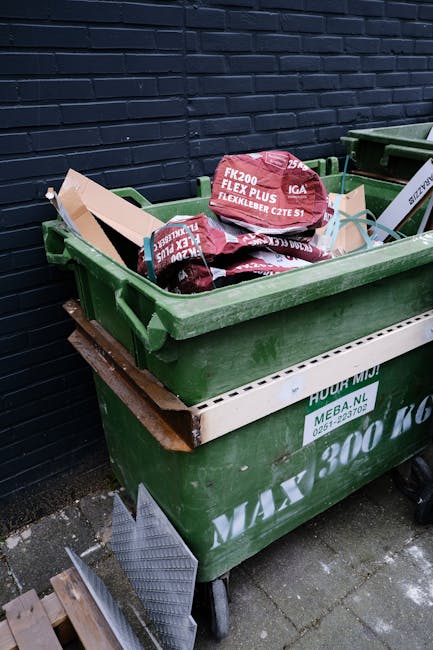
Moving into halls can feel simple on paper, then suddenly you are staring at a black bag, a half-empty pizza box, a broken laundry basket, and wondering where it all goes. That is exactly why this Brunel University rubbish collection guide for Uxbridge halls matters. If you are living in student accommodation near Brunel, the difference between a tidy room and a smelly one often comes down to a few basic habits: sorting waste early, knowing what goes where, and clearing bulky items before they become a problem.
This guide is built for students, resident assistants, flatmates, and anyone helping out in halls. It explains how rubbish collection usually works in student accommodation, how to stay on the right side of house rules, what to do with awkward items, and how to avoid the small mistakes that create bigger headaches later. Simple enough, but truth be told, the details are what save you time.
Why Brunel University rubbish collection guide for Uxbridge halls Matters
Student halls are busy places. People move in and out at different times, bin stores get overfilled, and one person's "I'll deal with it tomorrow" becomes everyone else's problem by Friday evening. In a shared living environment, waste is never just waste. It affects hygiene, smells, pests, fire safety, building access, and how smoothly the whole flat runs.
In halls around Uxbridge, waste management matters even more because students often bring a mix of everyday packaging, food waste, clothes, furniture bits, and unwanted items from moving day. If rubbish is left in corridors or beside communal bins, it can attract attention from housing staff fast. And no one wants that awkward note on the door. Nobody. Not even at 8 a.m.
A proper rubbish routine also helps protect the environment. Recycling in a student setting is not about being perfect; it is about making the easy right choice more often than not. Small steps, done consistently, can make a big difference in how much ends up in landfill.
Quick takeaway: the best waste routine in halls is the one that is simple, repeatable, and agreed by everyone in the flat. If it feels complicated, people stop doing it.
If your halls have furniture, appliances, or a lot of overflow waste to clear, it may help to look at services such as flat clearance or waste removal for larger clear-outs, especially at the end of term.
How Brunel University rubbish collection guide for Uxbridge halls Works
Most halls operate on a shared collection system. That usually means residents place waste into designated bins or bin stores, and the building team or contracted collectors handle the rest on a scheduled basis. The exact setup can vary from block to block, so the first step is always to understand your own building's instructions rather than guessing. Guessing is where things start to go sideways.
Typically, student accommodation separates waste into a few broad streams:
- General waste for non-recyclable everyday rubbish.
- Mixed recycling for approved clean paper, card, cans, and certain plastics.
- Food waste where the building provides a separate system.
- Bulky or special items that should not go into normal bins.
The practical part is usually less about memorising every rule and more about building habits. Keep a small caddy for food scraps, flatten cardboard as soon as you can, and do a quick bin check before leaving the flat. That one minute can stop the bin room from becoming a mess.
For anything beyond routine rubbish - a broken desk chair, mattress, appliance, or a pile of end-of-term clutter - you will normally need a separate collection route. If the item is bulky or awkward, furniture disposal and mattress and sofa disposal are more suitable than trying to squeeze it into a communal bin area. That's just common sense, really.
Key Benefits and Practical Advantages
Doing rubbish collection properly in halls might not sound glamorous, but it has real upsides. Some are obvious, some only become obvious after a week of shared living with four people and one overflowing bin.
- Cleaner shared spaces: rubbish is less likely to sit around the kitchen or landing.
- Fewer smells: especially important for food waste and takeaway packaging.
- Less pest risk: food left out can attract unwanted visitors pretty quickly.
- Better recycling: clean, sorted waste is easier to process correctly.
- Less conflict between flatmates: clear routines reduce the "whose turn is it?" conversations.
- Safer common areas: no bags blocking exits or clutter piling up near fire doors.
There is also a quieter benefit: you feel more settled. A tidy room and a sensible bin routine make halls feel less chaotic. You notice it around week two or three, when everything else in student life is moving fast and your space is the one thing that still makes sense.
From a practical point of view, this is one of the easiest things to get right early. A small habit today saves a bigger clean-up later, especially at the end of term when everyone is packing boxes, hunting for chargers, and wondering why they own three spare mugs.
Who This Is For and When It Makes Sense
This guide is for anyone living in, managing, or helping with halls in Uxbridge. That includes first-year students, returning students, residents in shared flats, accommodation staff, and parents who end up doing one last car boot full of bits and pieces. It is especially useful if you are new to shared living and have not yet developed that instinct for what can and cannot go in communal bins.
It makes sense to use this guidance when:
- you have just moved into halls and need to learn the rules quickly;
- your flatmate keeps leaving bags in the kitchen "for later";
- you are sorting out end-of-term waste before moving out;
- you have a bulky item that will not fit in the bin store;
- you want to avoid contamination in recycling bins;
- you are coordinating a bigger clear-out after exams.
It can also help if you are dealing with a broader clear-down of a shared property or student flat. In that case, a service like house clearance or home clearance may be more appropriate than relying on normal hall bins alone.
For small, everyday waste, keep it simple. For awkward stuff, do not force the issue. That rule alone prevents most problems.
Step-by-Step Guidance
Here is the most practical way to handle rubbish collection in Uxbridge halls without making it a weekly drama.
- Check your building instructions first. Every block has its own system. Look for bin labels, resident notices, or management guidance before you throw anything out.
- Separate waste at source. Keep recycling, general waste, and food waste apart from the moment you use them. If everything goes into one bag first, sorting later gets messy fast.
- Flatten cardboard and squash bottles. This makes bins last longer and reduces overflow. It also keeps the bin store looking less like a delivery depot after Christmas.
- Double-check food packaging. Greasy boxes, half-filled tubs, and food-soiled paper often belong in general waste rather than recycling, depending on the building setup.
- Use lined caddies or small indoor bins. Keep food scraps contained and empty them regularly, ideally before they start smelling up the kitchen.
- Take bulky items out early. Do not leave chairs, broken laundry baskets, or old bedding by the door "until later". Later turns into never.
- Report issues promptly. If bins are full, the bin store is blocked, or waste collection is not happening as expected, let hall staff know quickly.
- Plan for move-out week. Sort useful items, donate what you can, and book a suitable removal solution for anything left over.
A good move-out week often starts with a ruthless but fair clear-up. Keep what you need, recycle what you can, and deal with the rest before it becomes an eyesore. If there is furniture to shift, furniture clearance can be a sensible option when the lift is full, the stairs are awkward, and you are already carrying too many boxes.
Expert Tips for Better Results
In our experience, most hall waste problems do not come from one huge mistake. They come from tiny ones repeated all term. A bag left beside the bin. A takeaway box tossed in recycling with sauce still inside. A broken shelf left in the corridor because no one wanted to deal with it. Small things, but they add up.
These tips tend to make the biggest difference:
- Make bins obvious. If the label is unclear, people will default to whatever is easiest.
- Share the load in flat chats. A quick message like "can someone take the recycling out?" works better than letting frustration simmer.
- Keep one bag reserved for bulky leftovers. This helps separate small daily waste from items that need special handling.
- Rinse lightly, not obsessively. Clean enough for recycling, not sparkling. Let's be honest, nobody is polishing a baked bean tin.
- Use term-time checkpoints. A five-minute bin reset each week is easier than a brutal end-of-term clean.
If you are dealing with appliances, remember that fridges, microwaves, kettles, or similar items should not be treated like normal waste. An appropriate route such as fridge and appliance removal is often the safer and cleaner choice. Same idea for anything hazardous or questionable: when in doubt, keep it out of the bin.
One more thing. Don't wait until the smell tells you it's time. By then, the problem has already been negotiating.
Common Mistakes to Avoid
Most hall waste mistakes are understandable. Students are busy, tired, or moving quickly between lectures, work, and social plans. But a few patterns keep cropping up.
- Putting food waste in the wrong bin: this is one of the quickest ways to spoil recycling.
- Leaving bags in hallways: it creates clutter and can block access.
- Ignoring bin lid rules: if a lid will not close, the bin is probably already full.
- Mixing confidential papers with normal rubbish: use confidential shredding for personal documents where appropriate.
- Trying to force oversized items into communal bins: it rarely ends well.
- Assuming all plastics are recyclable: not always true, especially when contaminated.
- Leaving it until checkout day: end-of-term chaos makes simple jobs feel enormous.
There is also the "someone else will sort it" mindset. Very common. Very human. Also not helpful. If everyone thinks that way, the bin store ends up looking like a failed party by Tuesday morning.
For bigger clear-outs, especially where mixed furniture or household items are involved, home clearance can help when ordinary collection points are not enough. If you are unsure how your waste should be handled, it is usually better to pause and check than to guess and regret it later.
Tools, Resources and Recommendations
You do not need fancy equipment to manage rubbish well in halls. A few basic tools are usually enough.
- Small indoor bin or caddy: ideal for kitchen scraps and day-to-day waste.
- Separate recycling bag or box: keeps cardboard and dry recyclables together.
- Strong bin liners: helpful for shared kitchens where bags can fill quickly.
- Storage tubs or folding crates: useful for move-out sorting.
- Marker labels: surprisingly effective for shared flat bin systems.
- Reusable gloves and wipes: handy for cleaning the bin area before handover.
On the service side, a few site pages are worth knowing about if you need extra help with a bigger clearance or specific item type. For example, what can go in a skip is useful if you are comparing disposal options, while recycling and sustainability is helpful if you want to make more environmentally sensible decisions.
If you are looking for cost clarity before booking a larger collection, pricing and quotes and book online can help you move from planning to action without unnecessary back-and-forth. And if you need the company background first, about us is the sensible place to start. No fluff. Just useful context.
Law, Compliance, Standards, or Best Practice
Student halls are not the place to improvise waste handling. While the exact rules depend on the accommodation provider and local arrangements, a few best-practice principles always apply in the UK.
First, do not place hazardous items in regular bins. That includes anything that could leak, react, or cause injury. If waste involves chemicals, sharp materials, or unsafe contents, it should be handled separately. Where that applies, hazardous waste disposal is the safer route.
Second, keep communal areas clear. Corridors, stairwells, and exits should not be used as temporary storage for bags or unwanted furniture. It is a basic fire safety principle, and in shared accommodation it matters a lot.
Third, respect recycling rules set by the building. Contaminated recycling is a common issue, and it can make the whole stream less useful. Clean, sorted material is far easier to manage.
Fourth, if you are disposing of anything that may contain personal information, think carefully before throwing it out. Bank letters, tenancy paperwork, and old printed records are better handled securely than dumped with general waste. That is where confidential shredding becomes relevant.
Finally, use a provider or process that takes safety and responsibility seriously. Pages such as health and safety policy, insurance and safety, and payment and security are useful trust signals when you are choosing who to work with.
To be fair, compliance sounds stiff until you are the one dealing with a blocked bin store or a clear-out deadline. Then it suddenly feels very practical.
Options, Methods, or Comparison Table
There is more than one way to manage rubbish and unwanted items in halls. The best choice depends on volume, item type, timing, and how much effort you want to spend dragging bags around campus on a wet evening.
| Method | Best for | Pros | Watch-outs |
|---|---|---|---|
| Communal bins | Everyday household waste and approved recycling | Easy, convenient, usually built into hall routines | Can overflow quickly if flats do not sort properly |
| Scheduled hall collection | Building-managed waste streams | Simple for residents, low effort once set up | Depends on others using the system correctly |
| Bulk item removal | Furniture, mattresses, appliances, end-of-term leftovers | Removes awkward items in one go | Needs planning and may cost more than routine disposal |
| Clearance service | Large flat, room, or move-out clearances | Useful when time is tight or waste is too much for bins | Book in advance and describe items accurately |
For students in halls, communal bins usually handle 80% of the job. The other 20% is where things get tricky. That is the sofa, the broken shelf, the pile of boxes after move-out, the mini-fridge you no longer need. For those situations, the right approach can save a lot of hassle.
Case Study or Real-World Example
Here is a realistic example from a typical Uxbridge halls situation. A four-person flat has settled in for the term. At first, everyone is fairly organised. Recycling goes in the blue bin, food scraps go in the kitchen caddy, and the general waste bag gets taken out when it is full.
By week five, the system starts slipping. One person leaves coffee cups on the counter. Another uses the recycling bin for food boxes that still have sauce on them. A broken chair is left beside the bin store because nobody knows whether it counts as rubbish or furniture. The result? Smell, clutter, and a quick message from building staff asking for the area to be cleared.
What fixed it was not a grand strategy. It was three small changes:
- they labelled bins clearly in the kitchen;
- they agreed on one person to take bags out on two set days each week;
- they arranged a separate collection for the broken chair rather than trying to sneak it into general waste.
The flat went from messy and tense to manageable in about a week. Not perfect, not magical. Just better. And sometimes that is all you need. If there had been more leftover items at move-out, a service such as office clearance would not have been relevant here, but a general clearance option would have been. The point is to match the waste to the method, not the other way around.
Practical Checklist
Use this simple checklist to keep your halls waste routine under control.
- Read the bin rules for your building.
- Keep food waste separate from recyclables.
- Flatten cardboard before binning it.
- Do not leave bags in corridors or by doors.
- Check whether plastics need to be clean and dry.
- Store bulky items separately until you can arrange disposal.
- Use secure disposal for personal paperwork.
- Ask about collections early if you are moving out soon.
- Report overfull bins or blocked bin stores quickly.
- Book the right service for furniture, appliances, or mixed waste.
If you are unsure where to start, a quick review of flat clearance, furniture disposal, and waste removal can help you decide what kind of support fits your situation. It really does save time.
Get a free quote today and see how much you can save.
Conclusion
A good rubbish routine in Brunel University halls is not about being spotless or overly strict. It is about making shared living easier. When waste is sorted properly, collected on time, and handled with a bit of common sense, the whole place feels calmer. Less smell, less clutter, fewer arguments, and a lot less last-minute panic at move-out.
For everyday life, keep it simple and consistent. For bulky items, awkward items, or anything that should not go in normal bins, choose the right clearance route early. That small bit of planning can save you a long, annoying day later on.
And honestly, that is the whole point: make hall life feel a bit lighter, a bit cleaner, and a lot less stressful. One bin at a time.
Frequently Asked Questions
What is the best way to manage rubbish in Brunel University halls?
The best approach is to follow your building's bin rules, separate waste at source, and take out full bags before they start causing smells or clutter. A simple weekly routine works better than trying to sort everything at the last minute.
Can I put food waste in the same bin as recycling?
Usually no. Food residue can contaminate recycling, which makes it harder to process properly. Keep food waste separate unless your halls specifically say otherwise.
What should I do with a broken chair or desk in my halls room?
Do not leave it beside the communal bins unless the accommodation team has told you to. Bulky items usually need a separate removal solution, such as furniture disposal or clearance support.
How often should I take rubbish out in a shared flat?
That depends on how many people are in the flat, but in most shared student kitchens, a couple of scheduled take-out times each week is enough. If you wait until bags are overflowing, the room will let you know. Usually with smell.
What happens if the bin store is full?
Report it to hall staff or the accommodation team as soon as possible. Do not leave bags on the floor or in walkways, because that can create hygiene and fire safety issues.
Can I dispose of old textbooks, papers, and personal documents in general waste?
You can, but if the documents contain personal information, it is better to use confidential shredding before disposal. It is a small step that protects your privacy.
Are mattresses and sofas treated as normal rubbish?
No, they are bulky items and usually need a dedicated collection method. A mattress and sofa disposal service is more appropriate than trying to leave them with standard bins.
What should I do with fridge, microwave, or other appliances?
Appliances should not be put into normal bins. Arrange a suitable appliance removal option so the item is handled safely and responsibly.
Is it worth arranging a clearance service at the end of term?
If you have a lot of leftover items, bulky furniture, or mixed waste, yes. End-of-term clear-outs can get chaotic fast, and a clearance service often saves time, effort, and multiple trips.
How can I stop my shared kitchen from getting messy so quickly?
Use clearly labelled bins, empty food waste regularly, and agree on a simple schedule with your flatmates. It sounds basic, because it is. But basic systems are usually the ones that actually stick.
What is the difference between waste removal and flat clearance?
Waste removal is broader and can cover different types of unwanted material, while flat clearance is better suited to clearing out a whole living space or a large portion of it. For halls or shared student flats, either may be useful depending on how much needs to go.
Who should I speak to if I am not sure what bin an item belongs in?
Check your hall instructions first, then ask the accommodation team if anything is unclear. If the item seems hazardous, bulky, or unusual, do not guess. Better to pause and check than to create a bigger problem later.